
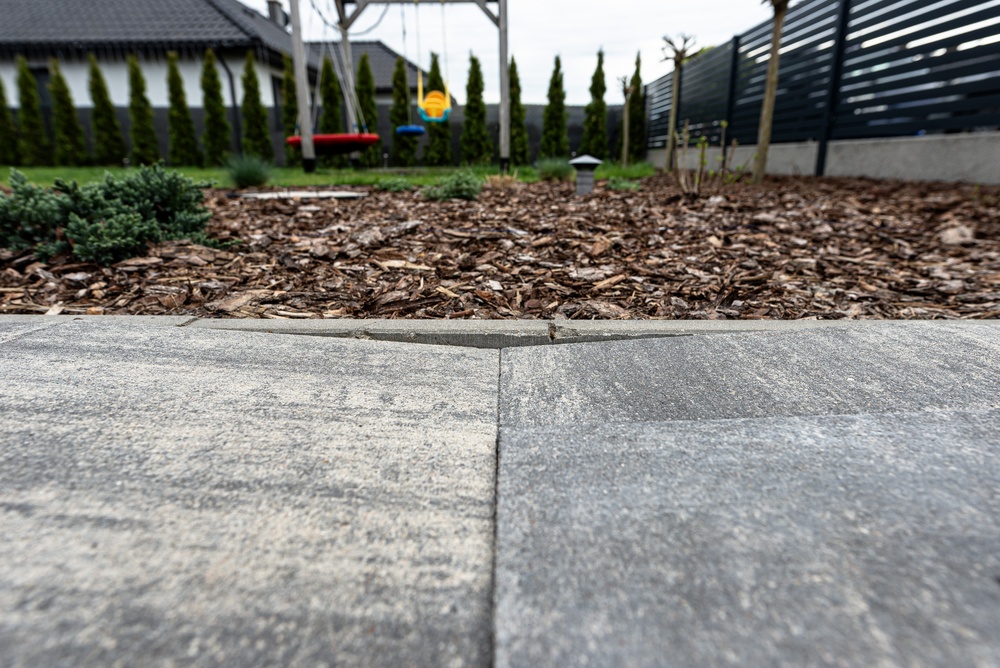
A sinking concrete slab is more than a surface problem. Many homeowners and business owners think they can solve it by pouring self-leveling concrete over the uneven area. While this may improve the appearance for a short time, it does not fix what is happening underneath.
If the soil below the slab is unstable or contains voids, adding another layer of concrete only covers the symptoms. The original slab will continue to settle, and the new surface will likely crack along with it. In many cases, concrete lifting in Louisiana is a much better solution because it repairs the problem below the slab instead of hiding it.
Why Concrete Slabs Begin to Sink
Concrete depends on strong, compact soil for support. Over time, the ground beneath a driveway, patio, sidewalk, or warehouse floor can change. Water erosion, poor soil compaction, shrinking clay, decaying roots, or underground voids may leave parts of the slab without enough support.
As the soil weakens, the concrete slowly settles. You may first notice small cracks or slight height differences between slabs. As settlement continues, the uneven surface becomes more noticeable and can create safety hazards.
Unless the soil underneath is stabilized, the slab will continue moving.
What Self-Leveling Concrete Actually Does
Self-leveling concrete is designed to create a smooth surface over an existing floor. It works well for cosmetic improvements inside buildings when the concrete underneath is already stable.
The material flows across the surface and fills low spots, creating a flatter finish. What it does not do is reach beneath the slab to fill hidden voids or strengthen weak soil. If the original concrete keeps sinking, the new layer moves with it.
This is why many repairs using self-leveling products fail when the underlying problem has never been addressed.
Why the Problem Keeps Getting Worse
Adding more material on top of a sinking slab also adds more weight. If the soil underneath is already weak, that extra weight can place even more stress on the unsupported areas.
Over time, you may notice:
- New cracks appearing.
- The surface becoming uneven again.
- Separation between slabs.
- Water collecting in low spots.
- Continued settlement.
Instead of solving the issue, the repair often becomes temporary, leading to more work and higher costs later.
How Concrete Lifting Solves the Real Problem
The goal is not simply to level the surface. The goal is to restore support beneath the slab.
With concrete lifting in Louisiana, technicians inject expanding polyurethane foam beneath the concrete through small holes. The foam fills hidden voids, strengthens the soil, and gently lifts the slab back into position. Because the support is restored underneath, the concrete becomes stable again.
Unlike surface patches, this repair addresses the actual cause of settlement instead of covering it up.
Benefits of Repairing the Slab Instead of Covering It
Choosing concrete lifting offers several advantages over pouring self-leveling concrete onto a sinking slab.
Some of the benefits include:
- Restores support beneath the concrete.
- Fills underground voids.
- Lifts existing slabs instead of replacing them.
- Reduces trip hazards.
- Minimizes downtime.
- Avoids the cost of full concrete replacement.
- Provides a longer-lasting repair.
In many situations, the repaired concrete can be used again much sooner than if it were completely replaced.
Fix the Cause, Not Just the Surface
A smooth surface may look better for a while, but it will not stop a slab from sinking if the soil underneath remains unstable. The real solution starts below the concrete, where hidden voids and weak soil create the problem in the first place.
If your driveway, sidewalk, patio, or commercial floor has started to settle, Polyco Spray Foam can help. Our team provides professional concrete lifting in Louisiana that stabilizes the soil, lifts the slab, and restores a safe, level surface. Contact us today to schedule an inspection and repair the problem before it gets worse.