
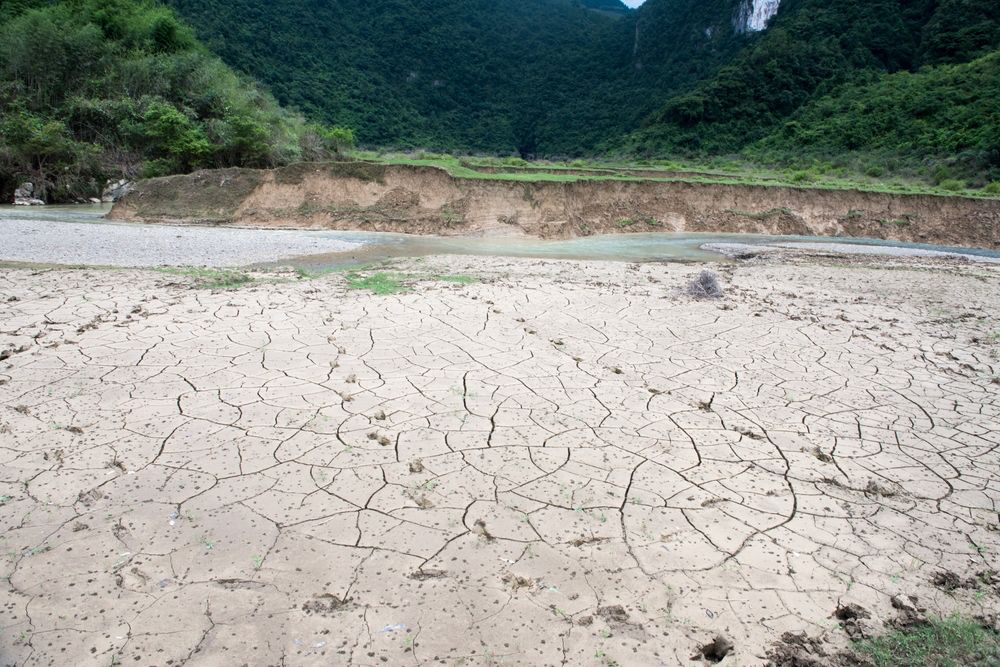
Many people think heavy rain is the biggest threat to concrete in Louisiana. Rain can damage soil, but long dry periods can also create serious problems. During a severe drought, the soil under concrete begins to lose moisture and shrink. This movement can cause slabs, sidewalks, driveways, patios, and foundations to crack or sink over time.
Homeowners may notice uneven concrete, gaps near the slab, or doors that no longer close properly. These are common signs that the ground beneath the concrete has shifted. In many cases, concrete lifting in louisiana can help restore stability and level surfaces before the damage becomes worse.
Why Soil Shrinks During a Drought
Louisiana soil often contains clay soil. Clay soil expands when it absorbs water and shrinks when it dries out. During a drought, the heat and lack of rain pull moisture from the ground. As the soil dries, it begins to contract and pull away from the concrete slab above it.
This shrinking soil leaves empty spaces under the concrete. Without proper support, the slab may begin to settle, crack, or tilt. The longer the drought lasts, the more stress is placed on the concrete surface.
Large trees can make the problem even worse. Tree roots pull moisture from the soil around homes and driveways. During dry weather, roots compete for the little water left in the ground, which speeds up soil shrinkage near concrete slabs.
How Drought Damage Affects Concrete
Concrete depends on stable soil for support. When the ground shifts, the slab above it also moves. This can create visible cracks and uneven surfaces. Some areas of the slab may sink while others stay in place.
Driveways may become sloped or develop low spots where water later collects during rainstorms. Sidewalks can lift at one edge and create tripping hazards. Garage floors may crack as the soil underneath weakens.
Foundation slabs can also be affected during long droughts. Small movements in the soil may place stress on walls, floors, and door frames inside the home. Many homeowners first notice sticking doors or cracks along interior walls.
These problems often continue after the drought ends because the soil does not always return to its original shape evenly.
Why Louisiana Weather Makes the Problem Worse
Louisiana weather can shift quickly between dry and wet conditions. After a severe drought, heavy rain may suddenly soak the ground. Dry soil often struggles to absorb water evenly at first. Some sections swell faster than others, which creates more soil movement under the slab.
This cycle of shrinking and expanding places constant pressure on concrete surfaces. Over time, repeated movement weakens support below the slab and increases the chance of sinking concrete.
That is why many property owners rely on concrete lifting in louisiana to repair slabs damaged by changing soil conditions.
How Polyurethane Foam Injection Helps Stabilize Concrete
One of the most effective ways to repair sinking concrete is polyurethane foam injection. This process lifts the slab and fills empty spaces under the concrete caused by soil shrinkage.
Small holes are drilled into the slab, and expanding polyurethane foam is injected underneath. The foam spreads into weak areas and gently raises the concrete back into place. Once hardened, the foam creates strong support below the slab.
This repair method works well for driveways, sidewalks, patios, pool decks, and garage floors. Many homeowners choose polyurethane concrete lifting because it is fast, clean, and long-lasting.
The lightweight foam also helps reduce additional pressure on weakened soil. Most repairs can be completed in just a few hours with little interruption to daily life.
Signs Your Concrete May Be Affected by Drought
There are several warning signs that drought conditions may be affecting the soil under your concrete. Cracks in driveways or sidewalks are often one of the first signs. Uneven slabs and sinking corners may also appear after long dry periods.
Gaps between the soil and concrete can form as the ground shrinks away from the slab. Water pooling around low spots after rain is another common issue.
Inside the home, sticking windows and doors may point to shifting foundation support. Small wall cracks can also appear as the structure adjusts to soil movement below.
If you notice these problems, it is best to have the concrete inspected before the damage spreads further.
Call Polyco Spray Foam for Concrete Repair
Severe drought can cause major changes in the soil under your concrete. As the ground dries and shrinks, slabs may crack, sink, or become uneven. Fast repairs can help stop further damage and restore safe, level surfaces around your property.
Polyco Spray Foam provides trusted concrete lifting in louisiana using advanced polyurethane foam injection methods. Their experienced team can lift and stabilize sinking concrete quickly and professionally. Contact Polyco Spray Foam today to schedule an inspection and protect your concrete from long-term soil damage.