
A low spot inside your home can make the floor feel sloped or uneven. Doors may drag, furniture may lean, and cracks may form near the floor. Polyurethane foam can often lift a sinking interior concrete slab, but it is not the right repair for every crawl space. The floor type and the cause of the sinking must be checked before work begins.
Polyurethane Foam Can Lift an Interior Concrete Slab
Some homes have concrete floors that sit directly on the soil. The soil under the slab may settle, wash away, or shrink during dry weather. This leaves an empty space below the concrete. Without firm support, part of the slab can sink.
During polyurethane foam injection, small holes are drilled through the concrete. The foam is placed below the slab through these holes. It expands into empty spaces, firms up the loose soil, and slowly raises the concrete. A trained crew controls how much foam is added so the floor can be lifted in small steps.
This method may work well in living rooms, kitchens, hallways, workshops, and other areas with a concrete slab floor. It can also reduce the need to break out and replace the whole floor. The foam is light, so it does not place as much added weight on weak soil as heavier lifting materials can.
Crawl Space Floors Need a Different Type of Inspection
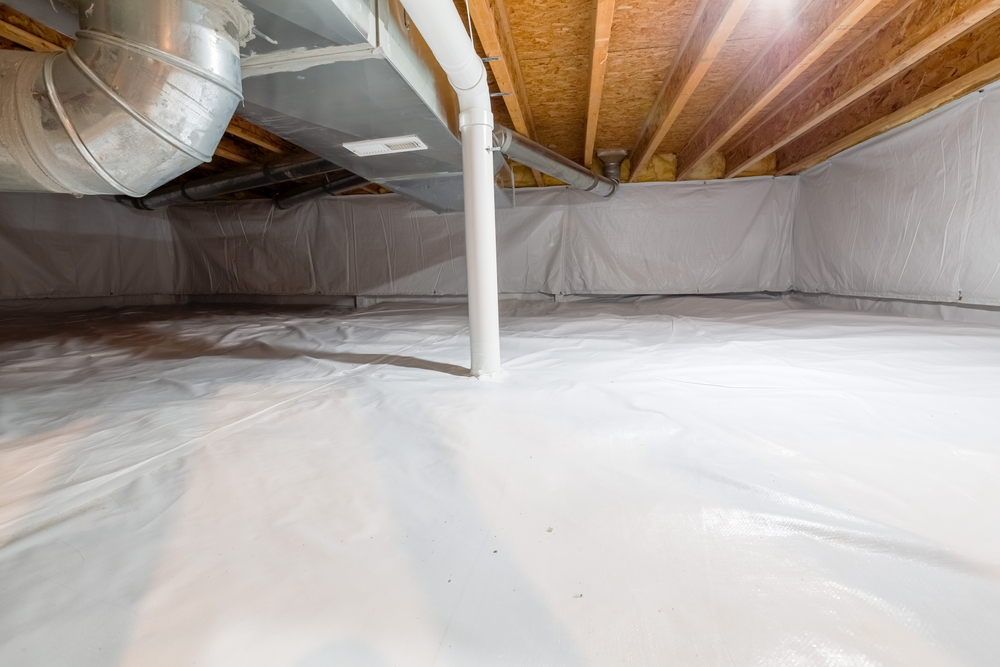
Not every floor above a crawl space is made of concrete. Many crawl space homes have wood floor joists, beams, and support posts below the living area. If that floor sinks, the problem may come from damaged wood, weak supports, moisture, termites, or settling footings. Injecting foam under the home will not repair rotten joists or broken beams.
Some homes do have a thin concrete slab inside the crawl space. Foam may be able to lift that slab if the soil below it has settled. Still, raising the crawl space slab may not fix a sloped floor inside the home. The upper floor may be held by a separate wood support system.
A full inspection helps show what is moving. The crew must find out if the problem is limited to a slab or if it affects the home’s supports. Polyurethane concrete lifting is made to raise supported concrete. It is not a replacement for foundation piers, floor joist repair, or other structural work.
What Causes an Interior Slab to Sink?
Interior slabs often sink because the soil below them has lost strength. Soil may not have been packed tightly when the home was built. Over time, the fill dirt can settle and create a gap. Water can also move soil away from the slab. A leaking pipe, poor drainage, or rainwater collecting near the foundation may add to the problem.
Baton Rouge also has soil that can change when moisture levels rise or fall. Wet soil may soften, while dry soil may shrink. These changes can leave a void beneath the concrete. Lifting the slab can restore its height, but the source of extra water should also be repaired. Otherwise, the soil may keep moving.
Signs of a sinking slab can include cracks in the floor, gaps near walls, low areas, loose flooring, and doors that no longer close well. These signs do not always mean the slab is the only problem. A professional inspection can separate simple slab settlement from a larger foundation issue.
Can the Floor Covering Stay in Place?
Access depends on what covers the slab. Bare concrete is often easy to reach. Carpet, tile, wood, or vinyl may need to be pulled back or removed in small areas so the crew can drill the injection holes. The plan will depend on the floor material and the location of the low spots.
The crew must also locate plumbing, heating lines, and other parts hidden in or below the slab. Once the lift is complete, the small holes are patched. Many projects can be finished with less dust and debris than full concrete replacement, but some floor covering repairs may still be needed.
When Polyurethane Foam Is Not the Right Repair
Foam lifting is not meant to repair concrete that is badly broken or too weak to raise as one piece. Replacement may be a better choice when the slab has severe damage. Foam is also not used to hide an active plumbing leak or fix a failed home foundation.
The safest repair begins with finding the real cause. If the slab is sound and the issue comes from empty space or settled soil below it, polyurethane foam lifting may offer a fast and lasting answer. If the damage comes from beams, joists, or foundation parts, another repair method will be needed.
Get Your Sinking Floor Checked by Polyco
A sinking interior floor can get worse and damage flooring, walls, and doors. Polyco Spray Foam provides professional concrete lifting in Baton Rouge using expanding polyurethane foam. Our team can inspect the slab, find the low areas, and explain if foam injection fits the problem. Contact Polyco Spray Foam today to request a free estimate for your sinking interior concrete slab.